Water damage restoration is time-critical. The IICRC S500 Standard for Professional Water Damage Restoration classifies water by contamination level: Category 1 (clean water from supply lines), Category 2 (grey water from appliances or overflow), and Category 3 (black water from sewage or external flooding). Category classification determines the required level of PPE, drying protocol, and whether affected materials can be dried in place or must be removed.
The 72-hour window is critical: mold can begin growing on wet building materials within 48–72 hours in conditions of elevated temperature and humidity. Immediate water extraction and structural drying within this window prevents a water damage claim from becoming a mold remediation project. This is why MoldAct offers emergency response — delay compounds cost and health risk.
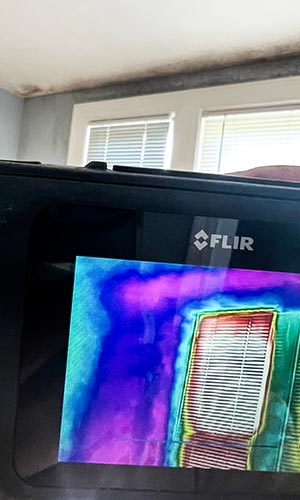
IICRC S500 drying goals specify target moisture content for different material types (wood, drywall, concrete). A restoration professional monitors moisture levels daily using calibrated moisture meters until drying goals are met. Documentation of readings throughout the drying process supports insurance claims and protects both the contractor and the property owner.
Señales de que necesita restauración por agua
- Standing water or saturation from a burst pipe, appliance leak, or roof failure
- Swollen, buckled, or warped flooring after water exposure
- Wet insulation in walls or ceiling visible after a leak
- Water staining on ceilings or walls from a slow or intermittent leak
- Flooding from storm water or sewer backup
- Musty smell developing within days of a water event
Por qué Miami lo sufre
Baltimore: Ellicott City's two flash floods (2016 and 2018) affected hundreds of properties, many of which were not professionally dried and developed latent mold issues. Basement flooding during heavy rain events is extremely common in Baltimore City rowhouses with aging storm drain infrastructure.
New Jersey: the coastal NJ market has high water table conditions in many areas, and basement sump pump failures during heavy rain events are a major source of water damage claims. Hurricane Sandy (2012) remains the largest single water damage event in NJ history.
Miami: tropical storms and hurricane-season moisture intrusion are the dominant water damage drivers. Category 3 water events (storm surge, sewer backup during heavy rain) require specialist handling — MoldAct works with IICRC-certified water damage restorers for all three markets.