Water damage restoration in Coral Gables: what to know
Coral Gables's Spanish Mediterranean Revival mansions and estates from the 1920s–1940s use barrel tile roofs and stucco exteriors over hollow-tile or concrete block — moisture intrusion through failed stucco joints and tile underlayment is the primary mold driver in these historic properties.
The neighbourhood's mature tree canopy keeps surfaces shaded and moist, and fallen organic debris on roofs and in gutters creates micro-environments where mold colonises exterior surfaces and eventually penetrates the envelope.
High-value historic properties in Coral Gables require mold assessors with experience in historic construction to avoid damage to irreplaceable finishes during assessment and remediation.
Mold conditions in Coral Gables
Common mold types in this area: Cladosporium (exterior stucco and roofing substrates); Aspergillus (attic spaces with tropical heat and humidity); Penicillium (interior plaster and stored documents/art in historic homes).
We serve Venetian Pool, Biltmore Hotel, University of Miami, Miracle Mile, City Hall Coral Gables and the wider Coral Gables area across ZIP codes 33134, 33146.
Signs you need water damage restoration
- Standing water or saturation from a burst pipe, appliance leak, or roof failure
- Swollen, buckled, or warped flooring after water exposure
- Wet insulation in walls or ceiling visible after a leak
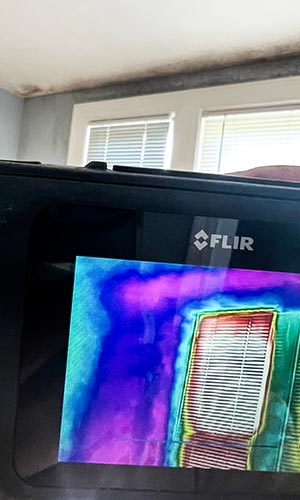
- Water staining on ceilings or walls from a slow or intermittent leak
- Flooding from storm water or sewer backup
- Musty smell developing within days of a water event
How we handle water damage restoration in Coral Gables
Water damage restoration is time-critical. The IICRC S500 Standard for Professional Water Damage Restoration classifies water by contamination level: Category 1 (clean water from supply lines), Category 2 (grey water from appliances or overflow), and Category 3 (black water from sewage or external flooding). Category classification determines the required level of PPE, drying protocol, and whether affected materials can be dried in place or must be removed.
The 72-hour window is critical: mold can begin growing on wet building materials within 48–72 hours in conditions of elevated temperature and humidity. Immediate water extraction and structural drying within this window prevents a water damage claim from becoming a mold remediation project. This is why MoldAct offers emergency response — delay compounds cost and health risk.