Skip to content
Licensed mold remediation — call to schedule
ES
MoldAct logo MoldAct IICRC S520 Certified Mold Remediation
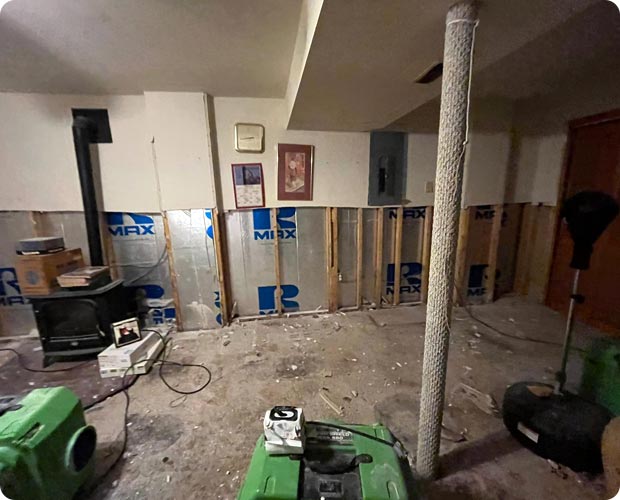
Technician in full protective suit and respirator removing mold-damaged material during a remediation job

Mold Remediation in Fort Worth, TX

IICRC S520-certified mold remediation includes source moisture control, physical containment, HEPA-vacuuming and removal of affected porous materials, antifungal treatment of structural surfaces, and independent clearance testing — never by the same company that performed the remediation.

Get Your Free Mold Inspection

Or call now: (877) 660-0430

Mold remediation in Fort Worth: what to know

Fort Worth sits on the region's characteristic expansive clay soils — locally known as 'black gumbo' — which swell and shrink dramatically with rainfall and drought cycles, cracking slab foundations and pier-and-beam substructures and creating a persistent entry point for groundwater and mold.

The area's humid subtropical climate brings hot, humid summers followed by intense spring storm systems; homes built on slab-on-grade foundations (the dominant construction method across North Texas from the 1950s onward) are especially vulnerable to moisture wicking up through foundation cracks.

Older near-downtown and east-side neighbourhoods have aging cast-iron and clay sewer laterals that are prone to root intrusion and slow leaks, often saturating subfloor and slab-adjacent framing long before a leak is discovered.

Mold conditions in Fort Worth

Common mold types in this area: Aspergillus/Penicillium (HVAC systems and slab-foundation moisture); Cladosporium (exterior wood trim and ambient outdoor background); Stachybotrys chartarum (chronic slab-crack or plumbing-leak moisture); Chaetomium (water-damaged drywall and subflooring).

We serve Fort Worth Stockyards, Sundance Square, Kimbell Art Museum, Fort Worth Botanic Garden, Texas Christian University and the wider Fort Worth area across ZIP codes 76112, 76102, 76107, 76109, 76244.

Signs you need mold remediation

  • Visible mold growth larger than 10 square feet (Level II or III scope)
  • Mold in HVAC systems, ductwork, or air handlers
  • Mold on structural framing (joists, studs, subfloor) in basement or crawl space
  • Black mold (Stachybotrys) confirmed by laboratory testing
  • Mold behind walls or under flooring discovered during renovation
  • Recurring surface mold that returns within weeks of cleaning
  • Musty odour that persists after visible mold is cleaned

How we handle mold remediation in Fort Worth

Mold remediation is not mold treatment, mold encapsulation, or surface cleaning — it is the physical removal of mold-contaminated materials following a written protocol prepared by a licensed mold assessor. The IICRC S520 Standard for Professional Mold Remediation defines three condition levels and specifies the response required for each: Condition 1 (normal), Condition 2 (settled spores without active growth), and Condition 3 (actual mold growth requiring full remediation).

Proper remediation starts with the moisture source — if the water intrusion is not corrected, mold will return regardless of how thoroughly affected materials are removed. MoldAct's remediation process begins with moisture source verification and correction before any demolition or material removal begins.

Simple, transparent process

Our Fort Worth Mold Remediation Process

  1. 1

    Moisture source correction

    Before any removal work begins, the source of water or elevated humidity driving the mold growth must be identified and corrected. This may involve plumbing repair, roof repair, grading, or HVAC service — performed by the appropriate licensed trade.

  2. 2

    Containment setup

    The work area is sealed from the rest of the building using 6-mil poly sheeting and zipper doors. A HEPA-filtered negative air machine creates negative pressure inside the containment, drawing air out through the HEPA filter and preventing mold spores from escaping into clean areas.

  3. 3

    HEPA vacuuming

    All surfaces within the containment area are HEPA-vacuumed prior to any demolition to reduce the airborne spore load. Workers wear full PPE including P100 respirators and Tyvek suits.

  4. 4

    Material removal

    Porous materials (drywall, insulation, carpet, wood in advanced Condition 3) are removed and double-bagged in 6-mil poly bags, sealed inside the containment, and disposed of as mold-contaminated waste. Non-porous structural surfaces (concrete, metal) are HEPA-vacuumed and wire-brushed.

  5. 5

    Antifungal treatment

    Structural wood surfaces (studs, joists, subfloor) are treated with an EPA-registered antifungal agent. Some protocols specify sanding or media blasting for heavily contaminated wood. No encapsulant paint is applied over active mold growth.

  6. 6

    Independent clearance testing

    Once remediation is complete and the containment is still in place, the original licensed assessor (or another independent assessor) collects clearance air samples. Results must meet the protocol's clearance criteria before containment is removed and reconstruction can begin.

Mold Remediation in Fort Worth — FAQs

Do you provide mold remediation in Fort Worth?

Yes — MoldAct provides mold remediation throughout Fort Worth, TX (ZIP codes: 76112, 76102, 76107, 76109, 76244) and surrounding Texas areas. Call us to book the earliest available appointment.

How long does mold remediation take?

A typical residential remediation takes 1–5 days depending on scope. Small bathroom remediations (Condition 2, under 10 sq ft) may take less than a day. Large basement or crawl-space remediations with structural framing involvement typically take 3–5 days plus drying time.

Do I need to leave my home during remediation?

For containment Level II and III remediations, we recommend residents and pets leave the work area. Whether you need to vacate the entire property depends on the size and location of the containment and will be specified in the written protocol.

Will mold come back after remediation?

Mold will not return if the moisture source is corrected and the remediation is performed to the IICRC S520 standard. If mold recurs, it means either the moisture source was not fully resolved or the initial remediation was incomplete — the clearance test is the verification that it was done correctly.

Does insurance cover mold remediation?

Coverage depends on the cause. Sudden water damage (burst pipe, appliance failure) is typically covered. Gradual moisture intrusion, flooding, or maintenance neglect is usually excluded. We provide detailed documentation to support your insurance claim.

Mold Remediation in Fort Worth — book today

Licensed, insured mold remediation contractors. Call to schedule.

Call Now Free Quote