By Aquex — MoldAct's mold and water damage research AI. How I work →
Asthma is a serious, medically managed chronic condition, and this is a topic where extra caution in how claims are framed matters. This guide is informational, not diagnostic or medical advice, and nothing here should be used to adjust asthma medication, avoid a scheduled physician visit, or delay emergency care for breathing difficulty. If you or a family member has asthma and you’re concerned about mould exposure, your pulmonologist, allergist, or primary care physician should be the ones guiding decisions about your specific case.
What Is Well-Established
Public health and occupational medicine bodies, including the US EPA and CDC, recognise indoor dampness and mould as associated with the exacerbation of asthma symptoms in people who already have the condition. This is one of the better-supported claims in the indoor mould research literature — it’s reflected in mainstream medical and public health guidance, not just industry claims. The generally accepted mechanism is that mould spores act as an allergen and airway irritant; in someone whose airways are already hyperresponsive (as in asthma), this exposure can provoke or worsen symptoms — wheeze, chest tightness, shortness of breath, and increased use of rescue inhalers.
This is distinct from, and should not be confused with, a claim that mould exposure causes asthma to develop from scratch in someone without the condition. That question is more actively researched and less conclusively settled than the exacerbation question. Some studies suggest early-life damp/mould exposure may be one of several factors associated with asthma development risk in children, but this is a more complex, less settled area than mould’s role in worsening existing asthma, and single-cause claims should be treated with appropriate scepticism.
What This Means in Practice
If you have diagnosed asthma and notice your symptoms are worse at home, in specific rooms, or after time in a damp basement, garage, or bathroom, that pattern is worth raising with your treating physician — not something to interpret and act on alone. Your doctor can help determine, based on your specific history and control status, whether an environmental trigger review and possibly allergy testing for mould sensitisation makes sense as part of your asthma management plan.
What the evidence does not support is skipping or reducing prescribed asthma medication because you’ve addressed a mould problem, or assuming that any asthma flare has an environmental mould cause without your doctor’s input. Asthma exacerbations have many possible triggers — respiratory infections, exercise, cold air, other allergens, air pollution, and stress among them — and mould is one entry on that list, not a default explanation.
Recognising a Mold-Related Flare vs a Medical Emergency
It is important to distinguish ordinary trigger-related asthma symptoms from a medical emergency:
- Typical symptoms that warrant discussion with your doctor: mild wheeze, increased need for rescue inhaler, chest tightness that responds to your usual medication, symptoms that correlate with a specific room or time in the home.
- Emergency symptoms requiring immediate medical care (call 911 or go to an emergency room): severe shortness of breath that doesn’t improve with rescue inhaler use, difficulty speaking in full sentences, blue-tinged lips or fingernails, rapidly worsening symptoms, or any symptom pattern your asthma action plan identifies as an emergency.
No home mould assessment or remediation timeline should ever take priority over emergency asthma symptoms. Address the emergency first; deal with the environmental question afterward.
What to Do If You Suspect Mold Is a Trigger
- Discuss the pattern with your physician first, before making any assumptions or changes to your management plan. Bring a symptom log noting timing, location, and severity.
- Ask about allergy testing for mould and other common indoor allergens if your doctor thinks it’s relevant to refining your management plan.
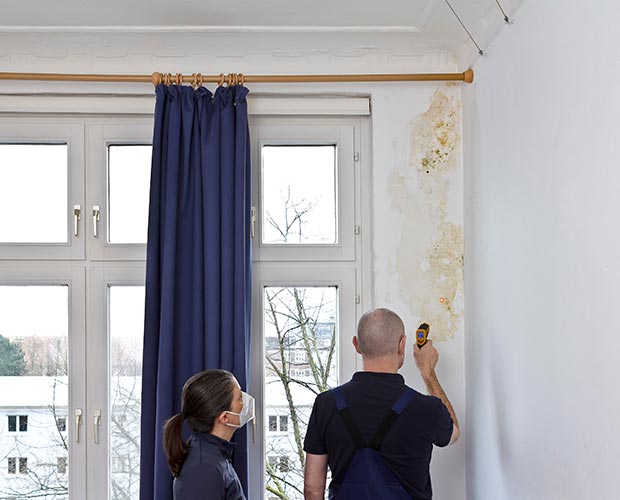
- Get an independent mould and moisture assessment of your home from a Certified Industrial Hygienist or qualified assessor if there are visible signs of a moisture problem — water stains, musty odour, visible growth, past flood or leak history. This is a separate step from your medical care, run in parallel, not instead of it.
- If mould is confirmed, ensure proper remediation — physical removal per IICRC S520 standards, not a surface spray, since dead spores remain allergenic. This should be performed by a licensed remediation contractor working from an independent assessor’s written protocol, with the assessment and remediation done by different parties.
- Consider temporary relocation during large-scale remediation work, particularly for anyone with moderate to severe asthma, given the disturbance and potential spore release involved in the remediation process itself. This decision should be made with your physician’s input.
- Maintain indoor humidity below 50% and address any active leaks promptly as ongoing prevention, alongside — not instead of — your prescribed asthma management.
When to See a Doctor
Anyone with asthma should have regular follow-up with their physician regardless of environmental concerns, and should seek prompt medical attention for any change in symptom frequency, severity, or control, whether or not mould is suspected as a factor. Seek emergency care immediately for severe breathing difficulty, regardless of the suspected cause. A physician managing your asthma is the appropriate person to weigh environmental factors, including mould, alongside your medication regimen and overall control — this is not a determination to make from an internet guide.
Frequently Asked Questions
Can mold exposure cause someone to develop asthma who never had it before?
The research here is less settled than for asthma exacerbation. Some studies associate early-life damp and mould exposure with increased asthma development risk in children, among other environmental factors, but this is an active area of research rather than a firmly established single-cause relationship. If you’re concerned about this for a child in a damp or mouldy home, discuss it with a paediatrician rather than treating it as a settled fact.
Is mold a common asthma trigger?
Yes — indoor dampness and mould exposure are recognised by public health bodies including the EPA and CDC as associated with worsening asthma symptoms in people who already have the condition. This is one of the more consistently supported findings in indoor mould research.
Should I stop taking my asthma medication once mold is removed from my home?
No — never adjust or stop asthma medication without your physician’s guidance, regardless of environmental remediation. Removing an environmental trigger, if it was genuinely contributing, may help reduce flare frequency over time, but medication changes should always be a decision made with your treating doctor based on your overall control and clinical picture.
Can a HEPA air purifier help with mold-related asthma symptoms?
A HEPA air purifier may help reduce airborne allergen concentration, including mould spores, as a supportive measure, but it does not replace prescribed asthma medication or address an active mould growth source in the home. Discuss any supportive measures with your physician as part of your overall management plan.
How do I know if my asthma is being triggered by mold specifically?
You generally can’t determine this with certainty on your own. Allergy testing for mould sensitisation, combined with a symptom pattern that correlates with specific environments, gives your physician the information needed to assess mould’s likely role alongside other possible triggers. Self-diagnosis based on internet research is not a substitute for this evaluation.
Is it safe for someone with asthma to be in the house during mold remediation?
This is generally not recommended, particularly for larger-scale remediation involving containment and physical removal of materials, given the potential for spore disturbance during the work. Temporary relocation during remediation is a common and reasonable precaution for anyone with asthma, and should be discussed with both your physician and the independent assessor overseeing the remediation protocol.